|
Back to Turtle Shell games -
Back to top
Turtle Shell GoWhat would it be like to play Go on a Turtle Shell grid? To find out, the To use them there:
The JSON files (images and discussion on which board to use below): 7x7 - 9x9 - 13x13 - 15x15 - 17x13 Note that one can only play on the vertices. Experimentation by others shows that a Komi of 6.5 is probably the best Komi to compensate for the first move advantage, regardless of board size. The boards7x7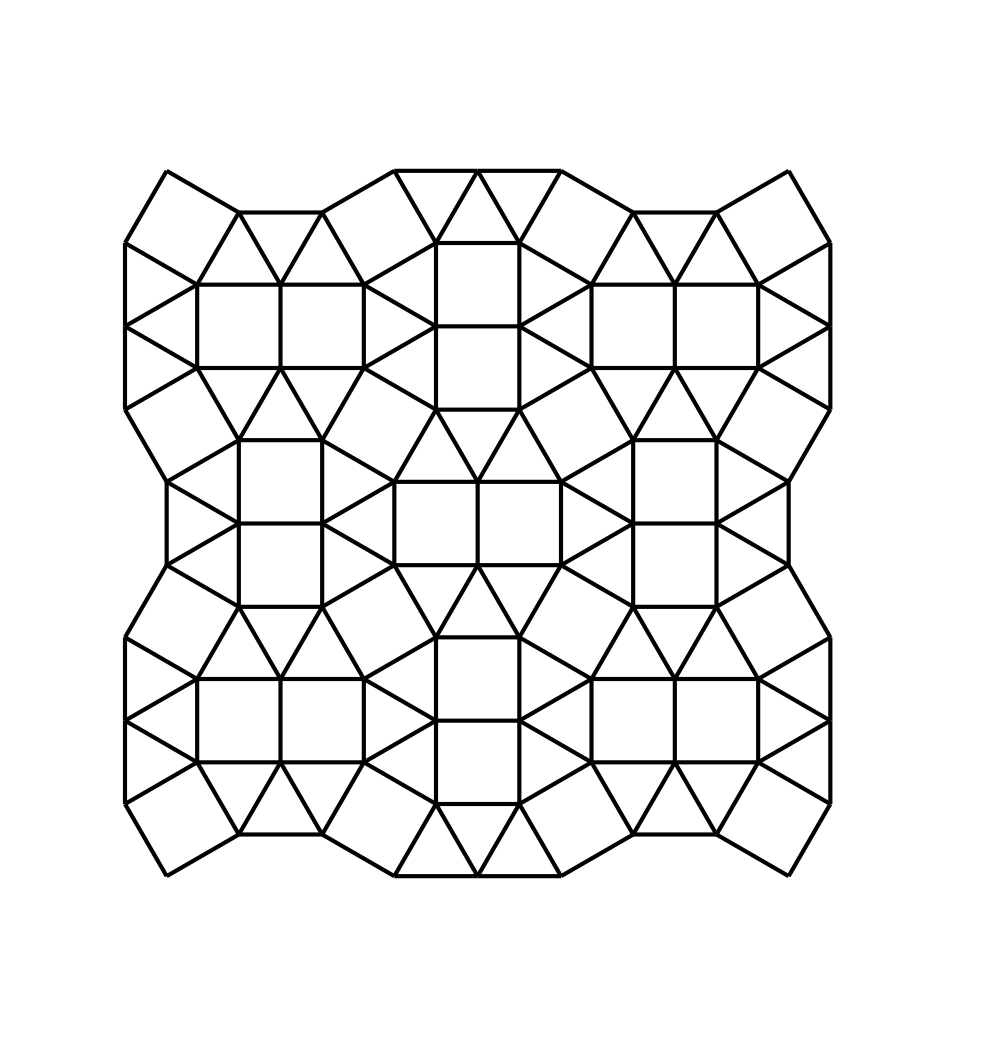 9x9 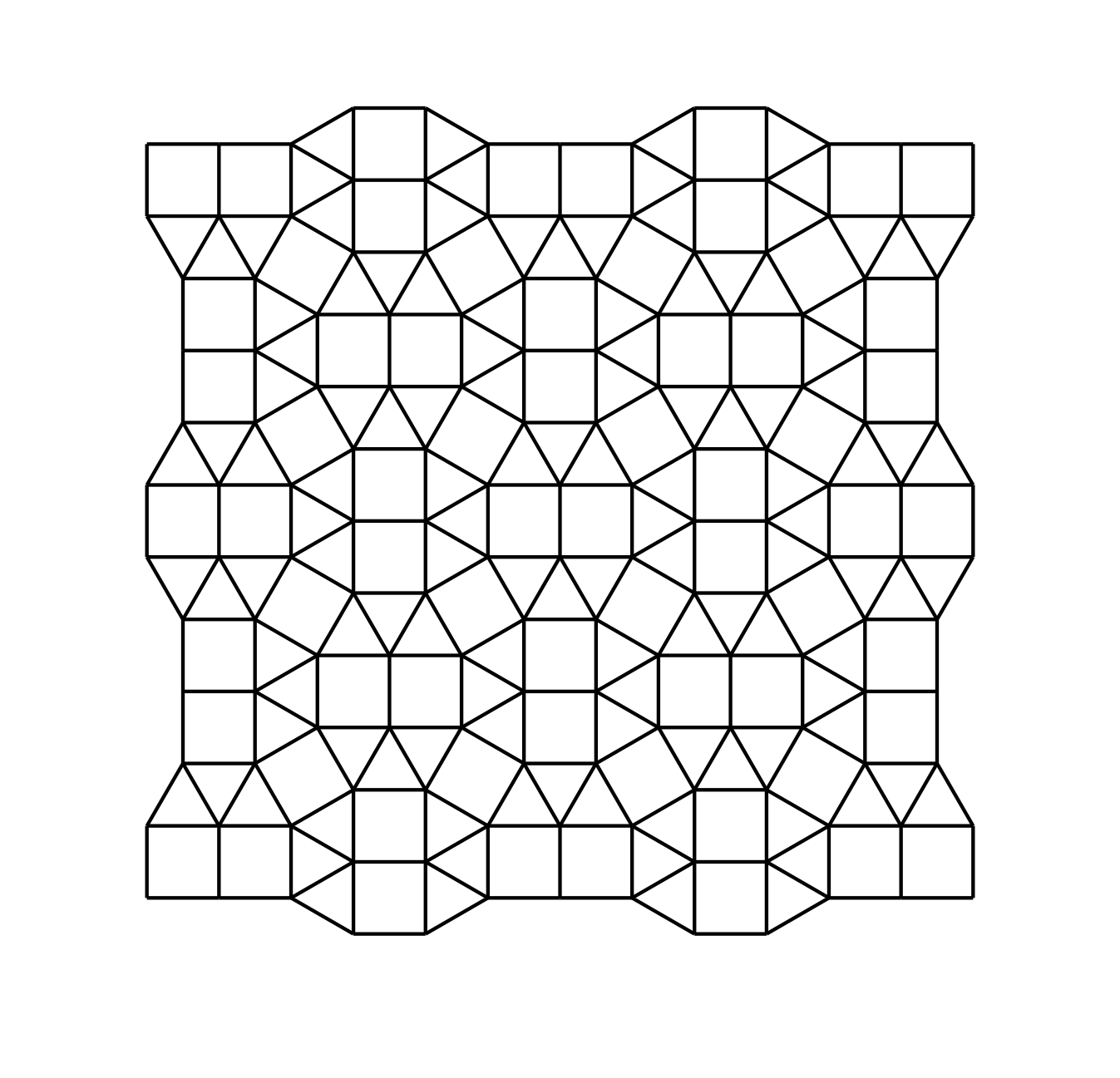 13x13 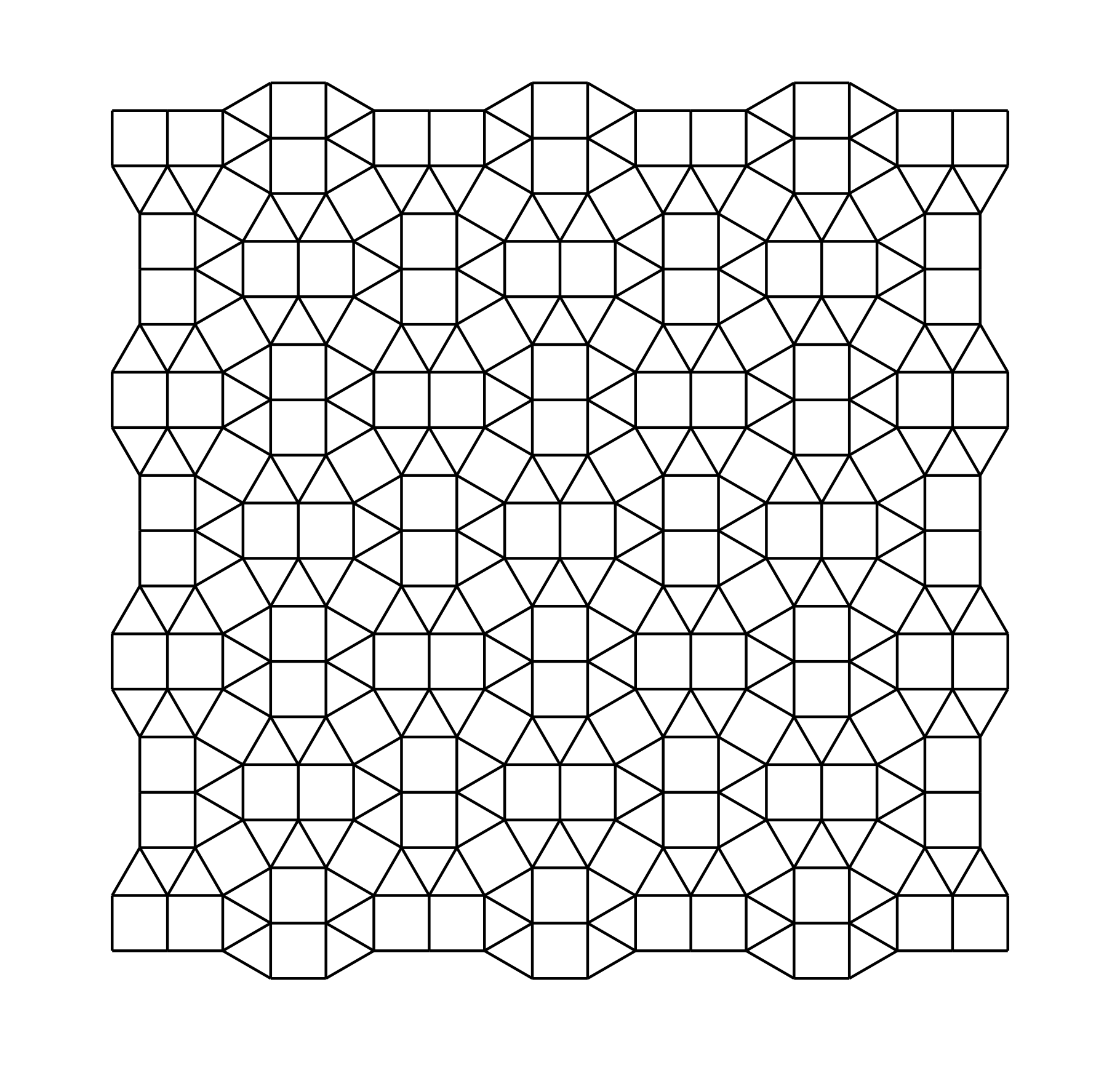 15x15 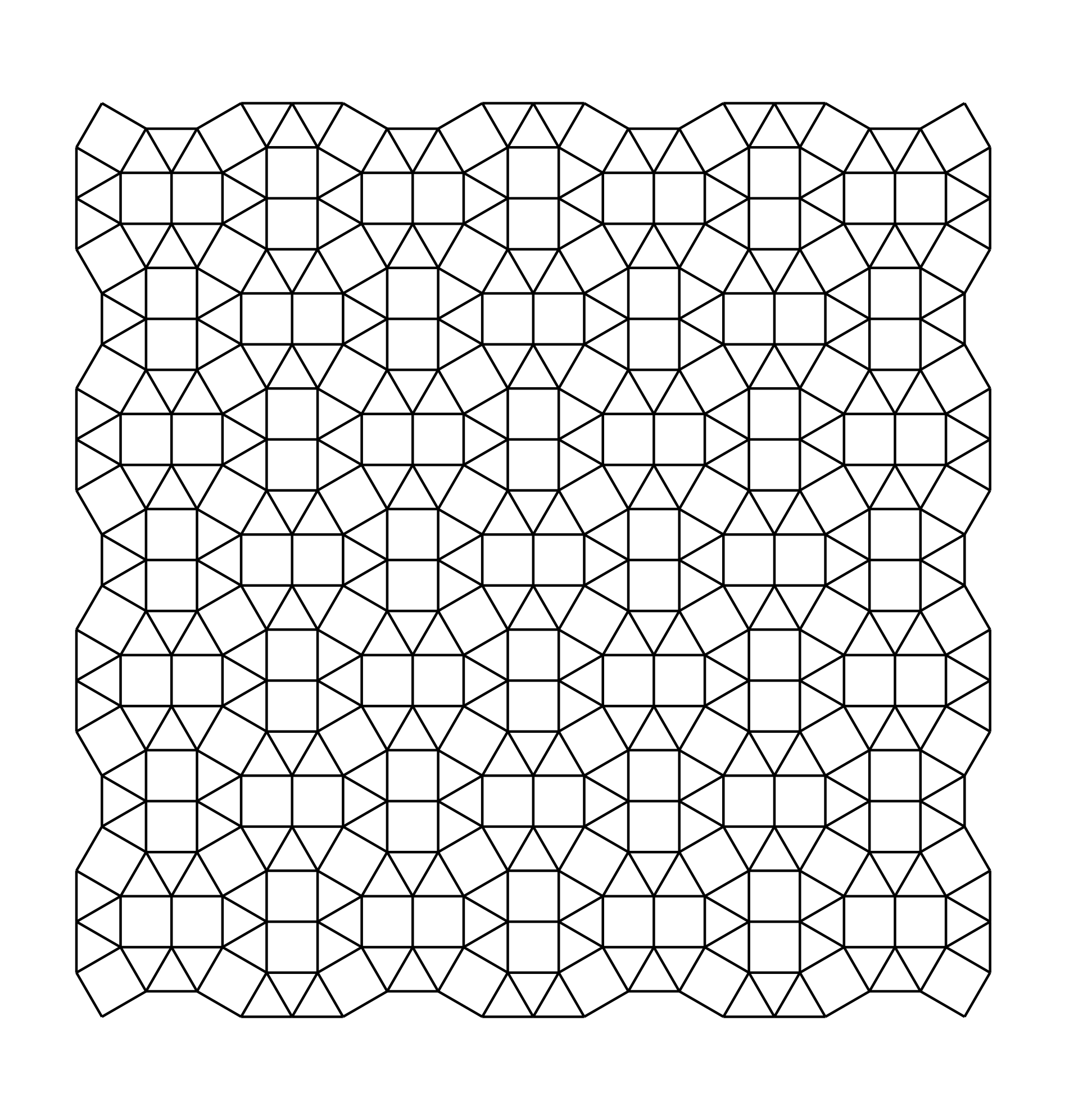 17x13 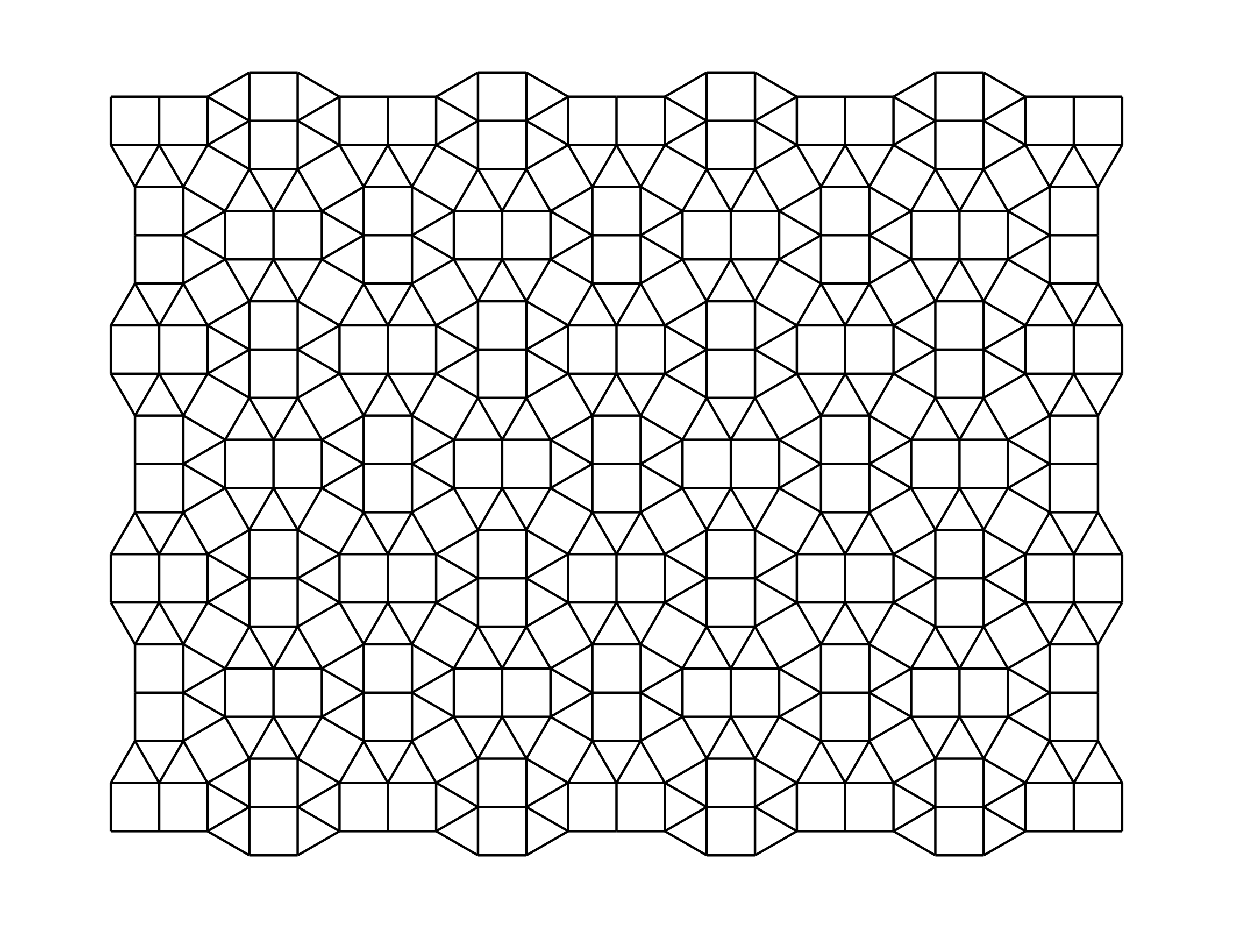 Further discussionThe best discussion about Go on other boards is probably on this page. To summarize that page, a Go variant where we have either three or four liberties per square is more tactical than normal square grid Go, while a variant with five liberties per point is more strategic then normal Go. To play Go on a Turtle Shell board so each connection has three or
four liberties, play in the trangles and squares. To play Go on a
Turtle Shell board so each connection has five liberties, play on the
vertices (the corners of each square/ As it turns out, for grids large enough to make interesting Go
variants, a given Turtle Shell grid has a lot more squares/ Let’s look at the number of squares in the three main Go variants:
And let’s compare that to the girds here in this directory:
(Clicking on the grid size is a hotlink to the JSON which govariants.com
can parse)
Point being 7x7 is good for a quick game, rougly equivalent to 9x9
Go, either as a tactical game in the cells (triangles and squares) or a
strategic game on the vertices.
9x9 is good for something roughly equivalent to 13x13 Go, again as a
tactical game in the cells or a strategic game on the vertices.
13x13 is roughly equivalent to 19x19 Go when played as a tactical
game in the cells. If played on the vertices, it’s roughly equivalent
to 17x17 Go; this is the size used in Tibetan Go, which has 289
vertices, compared to the 294 vertices in this grid.
Both 15x15 and 17x13 make good games, roughly equivalent to full
sized Go, when played as a strategic game on the vertices. 15x15 has
different edge dynamics than the 9x9 or 13x13 board, so one can also
play the 17x13 board to get the same edges as the 9x9 and 13x13 boards.
The 7x7 board has the same edge dynamics as the 15x15 board.
|